

Cryotherapy vs. Moist Heat
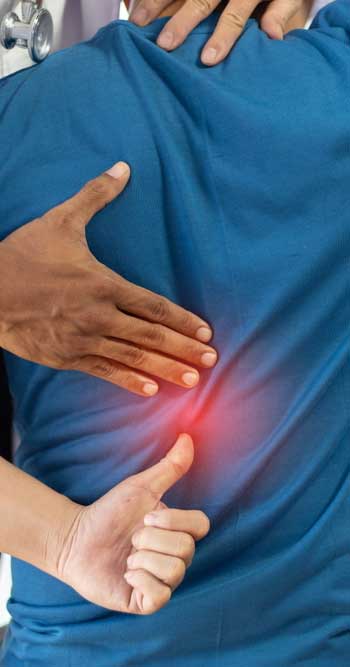 A sudden slip and fall on a slick Miami walkway or a hard tile surface sets off an instantaneous, high-velocity cascade of mechanical and physiological stress throughout the body. Within milliseconds, soft tissues—muscles, tendons, and ligaments—are stretched past their normal anatomical limits. In the immediate aftermath of such an injury, individuals are frequently confronted with a critical, foundational question regarding acute self-care: should you apply a freezing cold ice pack (cryotherapy) or a soothing warm compress (moist heat) to the injured area?
While both modalities have been staples of home care and clinical practice for generations, choosing the wrong therapeutic environment at the wrong stage of soft-tissue healing can profoundly alter your recovery trajectory. Applying heat when cold is physiologically required can worsen internal swelling, while improper cryotherapy can restrict the necessary blood flow needed for structural recovery. This comprehensive guide details the precise biological impacts of both cryotherapy and moist heat following a slip and fall, and explains how the specialized clinical staff at the South Florida offices of Dr. Keren Gomez implement these modalities to facilitate comprehensive, lasting healing.
The Physiological Reality of an Acute Slip and Fall Injury
To understand whether hot or cold is appropriate, it is necessary to examine what occurs beneath the skin during a physical trauma. A slip and fall often results in what chiropractors classify as soft-tissue micro-tearing. When a joint is hyperextended or forced to absorb a sudden impact, microscopic structural fibers within muscles and ligaments tear apart. This triggers an immediate chemical response. The body releases inflammatory mediators, including histamines, bradykinins, and prostaglandins, designed to flood the area with protective fluid.
This biological reaction manifests externally as swelling, redness, and heat. While inflammation is a vital component of the initial healing cascade, an excessive, uncontrolled inflammatory response can create an localized accumulation of fluid. This fluid buildup exerts significant mechanical pressure on nearby nociceptors (pain nerve endings), causing acute discomfort and severely limiting the joint’s functional range of motion.
Cryotherapy: The Acute Phase Defense Mechanism
In the initial 24 to 72 hours following a slip and fall injury, clinical science strongly favors the aggressive utilization of localized cryotherapy. When extreme cold is applied to an inflamed area, it induces profound local vasoconstriction—the narrowing of blood vessels. This narrowing reduces the localized rate of blood flow, directly limiting the volume of inflammatory fluid able to accumulate in the injured tissue spaces.
Clinical Note: Cryotherapy acts as a natural, non-pharmacological analgesic by significantly reducing local nerve conduction velocity. By slowing down the speed at which pain signals travel up the spinal cord to the brain, cryotherapy provides rapid, structural relief without the systemic side effects or dependency risks associated with prescription painkillers.
Moist Heat: The Chronic and Sub-Acute Restorative Environment
Conversely, thermal therapy—specifically moist heat—functions via the exact opposite physiological mechanisms. Heat induces vasodilation, expanding local blood vessels and significantly increasing regional circulation. This process delivers oxygen, glucose, and essential amino acids directly to damaged tissues, providing the cellular building blocks required for long-term structural repair.
However, if moist heat is applied too early in the acute stage (within the first 3 days of a fall), this increased circulatory influx can exacerbate active swelling, engorge the injured tissue spaces with excess fluid, and worsen the patient’s pain. Moist heat finds its true clinical utility in the sub-acute and chronic phases of recovery—typically 72 hours or more after the initial trauma—when the primary swelling has stabilized, and the clinical objective shifts toward breaking down muscular stiffness, flushing out metabolic waste products, and restoring flexible joint mechanics.
The Dr. Keren Gomez Philosophy: Moving Beyond the “Quick Fix”
At the multi-location practices of Dr. Keren Gomez, Chiropractic Physician, the integration of targeted cryotherapy and moist heat is never treated as a standalone cure, nor is it left to simple guesswork. Dr. Gomez and her specialized chiropractic therapy staff recognize that masking symptoms with basic hot and cold applications is entirely insufficient for true recovery. Their clinical focus is centered on identifying the root biomechanical source of the discomfort and correcting it through precise spinal adjustments, core stabilization rehabilitation, and specialized soft-tissue therapeutic modalities.
When a patient arrives at one of Dr. Gomez’s state-of-the-art South Florida clinics after a slip and fall, they undergo a meticulous structural assessment. If the injury is fresh and highly inflamed, the clinical staff utilize professional-grade cryotherapy protocols designed to safely stabilize the region. Once the initial inflammatory phase has subsided, the treatment seamlessly transitions to utilizing deep-penetrating moist heat packs. This prepares the underlying musculature for manual adjustments and rehabilitative therapies, ensuring that the soft tissues heal with maximum elasticity and minimal restrictive scar tissue.
Strategic Accessibility Across Miami-Dade, Broward, and Palm Beach Counties
Recognizing that injuries do not adhere to standard business hours, Dr. Keren Gomez has established an expansive network of fully equipped clinic locations across South Florida, ensuring that expert, immediate care is accessible to residents throughout the region. To best serve her patients, her practices are strategically distributed across three primary counties:
Miami-Dade County Locations
- Miami Airport Location (NW 7th Street): Positioned perfectly to serve central Miami commuters, international travelers, and nearby professional workforces requiring immediate post-accident triage.
- Kendall Location (SW 120th Street): Serving the sprawling residential communities of South Miami-Dade, providing comprehensive, accessible injury rehabilitation and long-term recovery support.
- Miami Lakes Location (NW 151st Street): Conveniently located for residents in North Miami-Dade and South Broward, offering a seamless hub for advanced rehabilitative treatments.
- North Miami Location (Biscayne Blvd): Perfectly situated to provide premier physical rehabilitation and chiropractic adjustments to coastal and North Miami communities.
Broward County Locations
- Hollywood Location (Taft Street): Centrally located in Broward County to deliver targeted, fast-acting injury relief for auto accident and slip-and-fall victims.
- Pompano Beach Location (S. Powerline Road): Serving North Broward residents with a fully equipped facility dedicated to comprehensive soft-tissue healing and spine alignment.
Palm Beach County Locations
- West Palm Beach Location (Palm Beach Lakes Blvd): Offering advanced diagnostic and chiropractic care options tailored to individuals navigating severe collision or personal injury recovery in Palm Beach County.
- Delray Beach Location (Linton Blvd): Providing South Palm Beach communities with accessible, non-surgical injury treatment options to safely eliminate pain without relying on heavy narcotics.
To ensure that logistical and financial challenges never stand between an injured individual and professional care, Dr. Gomez’s clinics operate with 24/7 availability for emergency consultations, offer complimentary patient transportation services for those unable to drive following a severe accident, and feature a fully bilingual staff fluent in both English and Spanish.
If you have suffered a slip or fall in the Miami area, then please schedule an appointment with chiropractic physician Dr. Keren H. Gomez. Dr. Gomez and her team can be contacted at the following numbers: Dade: 305-761-6528, Broward: 954-510-5518, Palm Beach: 561-414-2401. You can also use the online contact form that’s been provided for you on our website.